Call Poison Control first: 1-800-222-1222
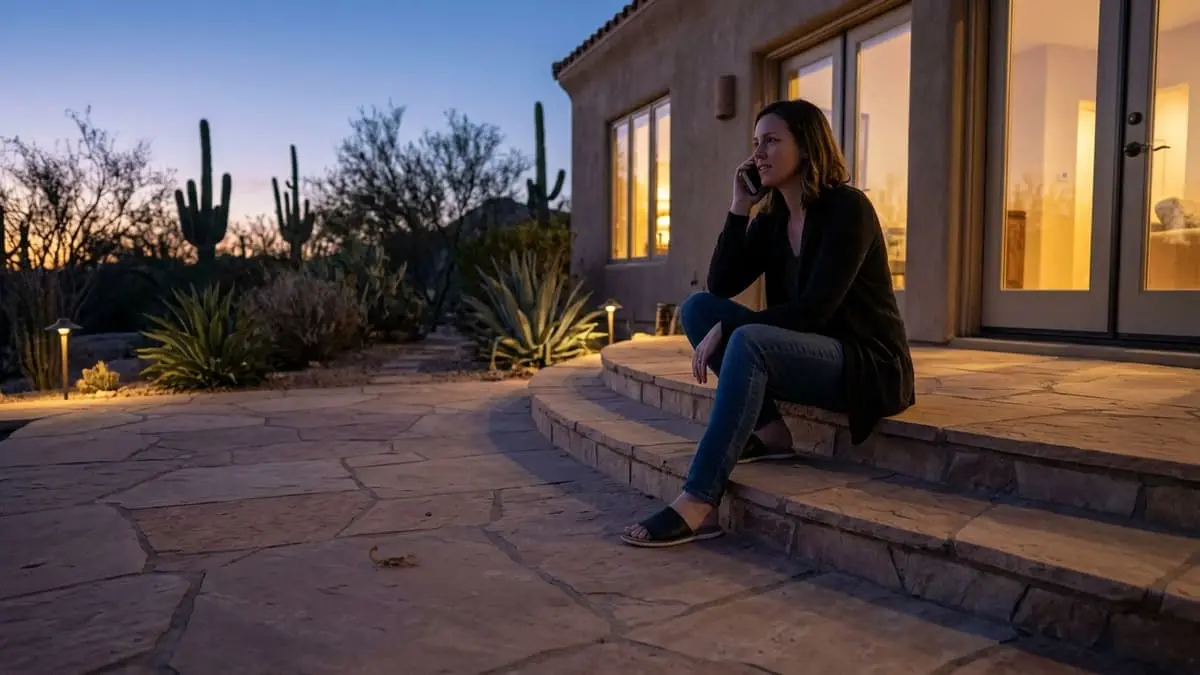
Call Poison Control at 1-800-222-1222 as soon as someone is stung. It's free, confidential and open 24/7, and it routes your call to your local poison center, according to the Arizona Poison and Drug Information Center's scorpion page.
In Maricopa County, which includes Paradise Valley, that's the Banner Poison and Drug Information Center. Banner says it can help callers in more than 150 languages.
The University of Arizona (UA) advises calling even when the person stung is a healthy adult who feels fine, because everyone reacts differently. If someone in my house got stung, that call is the first thing I'd do.
What happens when you call Poison Control
A certified specialist goes over the symptoms, then either gives treatment advice or recommends the emergency room, UA says. Poison center staff may follow up with you later.
Banner says the center guides first aid and monitors the person. The poison centers don't publish a list of the questions they ask, but their guidance turns on who was stung (a young child, an older adult, someone with high blood pressure) and what the symptoms look like.
Most stings are handled at home
About 90% of the stings reported to the Arizona Poison and Drug Information Center are treated at home, UA says, and Banner reports the same share. Dr. Anne-Michelle Ruha, a UA medical toxicologist, says more than 95% of stings have only minor effects.
What a scorpion sting feels like: pain, numbness and tingling
A scorpion sting usually brings pain at the spot with little swelling, plus numbness and tingling that can spread across the body, according to the Arizona Poison and Drug Information Center. The area can get very sensitive to touch, pressure, heat and cold.
UA says symptoms generally start within 20 minutes and keep getting worse for the first 4 hours.
A missing mark doesn't mean there was no sting. Banner says stings often leave no mark, and even clinic staff often can't find the puncture.
When a scorpion sting means calling 911
Call 911 for a severe reaction. UA Health Sciences lists severe signs including:
- Trouble coordinating muscles
- Difficulty breathing
- Extra saliva
- Double vision
- Nausea
- Fever
- A fast heart rate
The CDC adds:
- Restlessness
- Convulsions
- Muscle twitches
- Roving eyes
- Staggering
- Slurred speech or a thick tongue
- Drooling
- Stomach cramps
Banner says trouble breathing, chest pain, muscle spasms or severe swelling need care right away.
When the person stung is a young child or an older adult
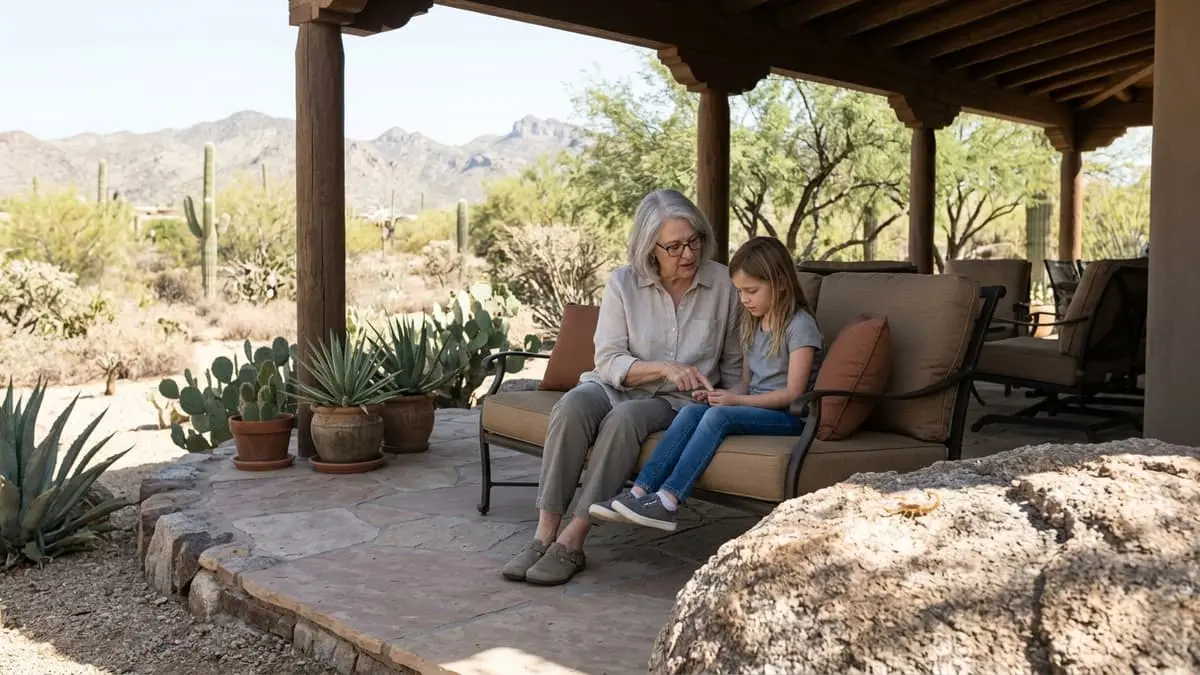
UA's pest-proofing guide says to treat it as a medical emergency and call 911. That covers a child (especially one under 9 or under 70 pounds) and an elderly or frail person.
Babies and toddlers can't tell you what happened. I wrote a separate post on the signs a baby or toddler may have been stung.

What a UA toxicologist says about Benadryl and other antihistamines
She advises against them. Dr. Anne-Michelle Ruha, a medical toxicologist writing for UA Health Sciences, says a scorpion sting shouldn't be treated as an allergic reaction, and advises against diphenhydramine (Benadryl), other antihistamines and epinephrine, which she says can make symptoms worse.
Banner's poison center says antihistamines are of limited benefit unless there's a severe allergic reaction. If it were my family, I'd ask the Poison Control specialist about any medicine.
Ice after a sting: the sources disagree
UA Health Sciences, the CDC and Banner don't agree on ice, so I'd leave that question to the Poison Control specialist. Banner says an ice pack can make symptoms rebound when it comes off, and lists ice, heat and tourniquets among home remedies to avoid.
The CDC and UA Health Sciences both mention ice, and the CDC says not to put the limb in ice water.
How long the symptoms last: hours to a few days
Most healthy adults recover within a day or two without treatment, according to UA, but each source gives its own timeline:
- UA's scorpion guide says burning, numbness and tingling can hang on for several days, symptoms usually clear within 72 hours, and anything past a week is a reason to get care.
- Banner says most symptoms clear within 6 hours, new or worse symptoms after 6 hours are unusual, and real improvement can take 48 to 72 hours.
- The CDC says symptoms usually ease within 48 hours.
For severe cases there's an antivenom, and UA says symptoms usually clear within 4 hours of treatment. I cover the antivenom and how rare deaths are in the odds of a sting turning deadly.
Was it a bark? You don't need to know before you call
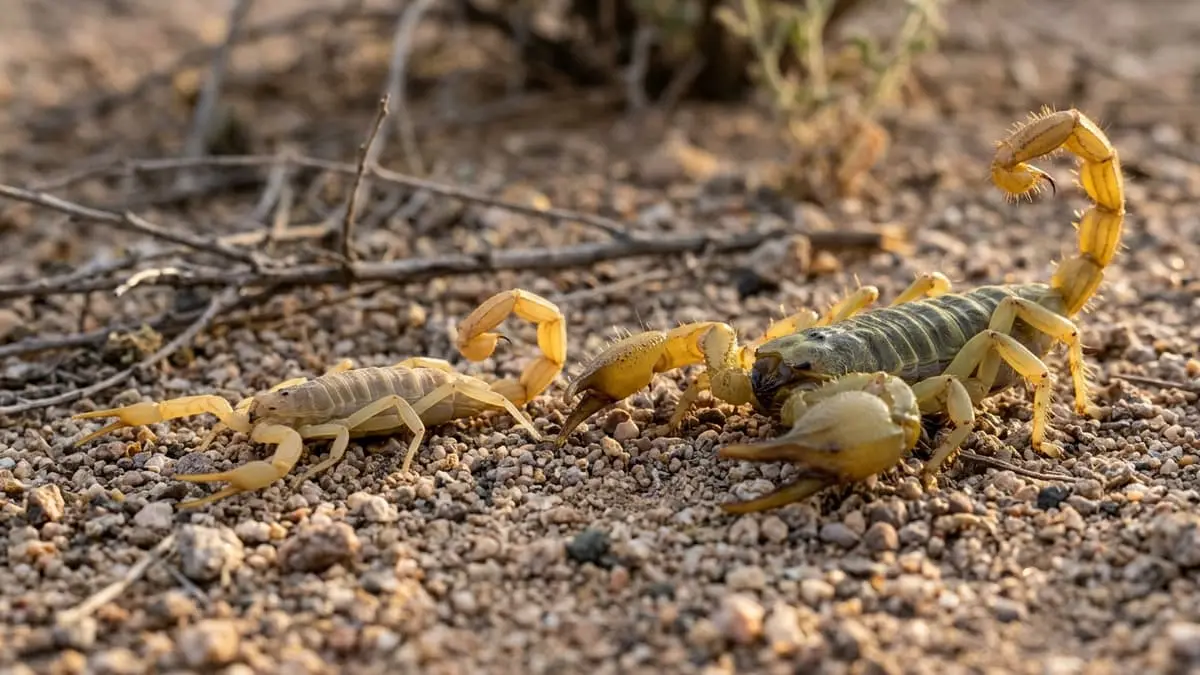
You don't need the species to call Poison Control. Only the bark scorpion's sting is regarded as a health hazard in Arizona, and Banner says stings from other species usually cause local pain that clears within an hour or two.
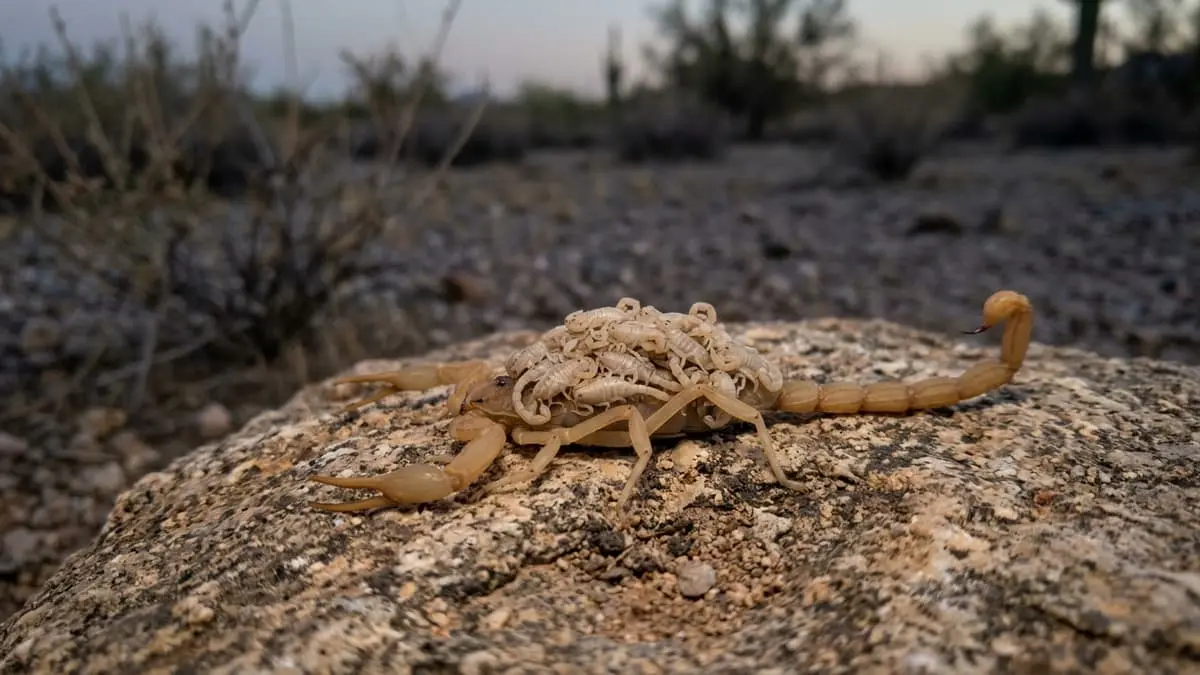
The CDC's advice for outdoor workers is to catch the scorpion for identification only if that can be done without risk. If you did get a look at it, whether the scorpion was a bark or a hairy usually comes down to its shape and where it was sitting.
The everyday habits that make the next sting less likely
UA and the CDC point to plain habits:
- Shaking out shoes and clothes before putting them on
- Keeping towels and clothes off the floor
- Wearing shoes outside at night
UA says most stings happen when someone grabs, presses against or steps on a scorpion by accident.
Shoes, towels and clothes on the floor are exactly where the bark scorpion, the one species that matters here, likes to tuck in. UA says 98% of scorpion exposures reported to U.S. poison centers happen in or around homes.
Quick answers about stings and Poison Control
Right after a sting, you'll want quick answers on Benadryl, the ER, why you can't find a mark, and whether Poison Control is only for emergencies.
Should I give Benadryl for a scorpion sting?
A UA medical toxicologist advises against it. She says diphenhydramine (Benadryl), other antihistamines and epinephrine can make symptoms worse, and Banner says antihistamines do little unless there's a severe allergic reaction. Call Poison Control at 1-800-222-1222 and talk it through with the specialist.
Do I need the ER for a scorpion sting?
Most stings don't end up there. UA says about 90% of stings reported to the Arizona Poison and Drug Information Center are treated at home, and the Poison Control specialist will recommend the ER if it's needed. Call 911 for a severe reaction, and UA treats a sting in a young child or a frail older adult as an emergency.
Why can't I see a sting mark?
Because stings often leave none. Banner says even clinic staff often can't find the puncture, and the Arizona Poison and Drug Information Center describes pain with little swelling, plus numbness and tingling.
Is Poison Control only for emergencies?
No. UA advises calling for any sting, even in a healthy adult, because everyone reacts differently. The line is free, confidential and open 24/7.
Cutting down scorpions in the house after a sting
Call us once everyone's okay, and we'll come out and treat where barks hide, inside and out, then check back. For the sting itself, the call is Poison Control. For the scorpions, it's us.
UA says scorpions are extremely hard to get rid of completely, and that if you regularly find them inside, it's time for a pest management professional with scorpion experience. The realistic goal is fewer of them inside, where people sleep and walk barefoot.
We check the doors, weep screeds, block walls and pipe gaps barks use to get in. That's the goal of fewer barks indoors for Paradise Valley families, from the bedrooms out to the yard.