Why Scorpions Show Up After Years of None
Scorpions that show up after years of none were almost always living nearby, and something changed that brought them into view. Tracking studies of bark scorpions reported by the University of Arizona found their usual foraging around buildings covers less than 35 yards a night. So the ones in your hallway most likely live in your yard, your block wall or the wash out back.
You may know the feeling. After a while, you start flipping on the hallway light before you walk to the kitchen, even though you lived here for years without thinking about scorpions.
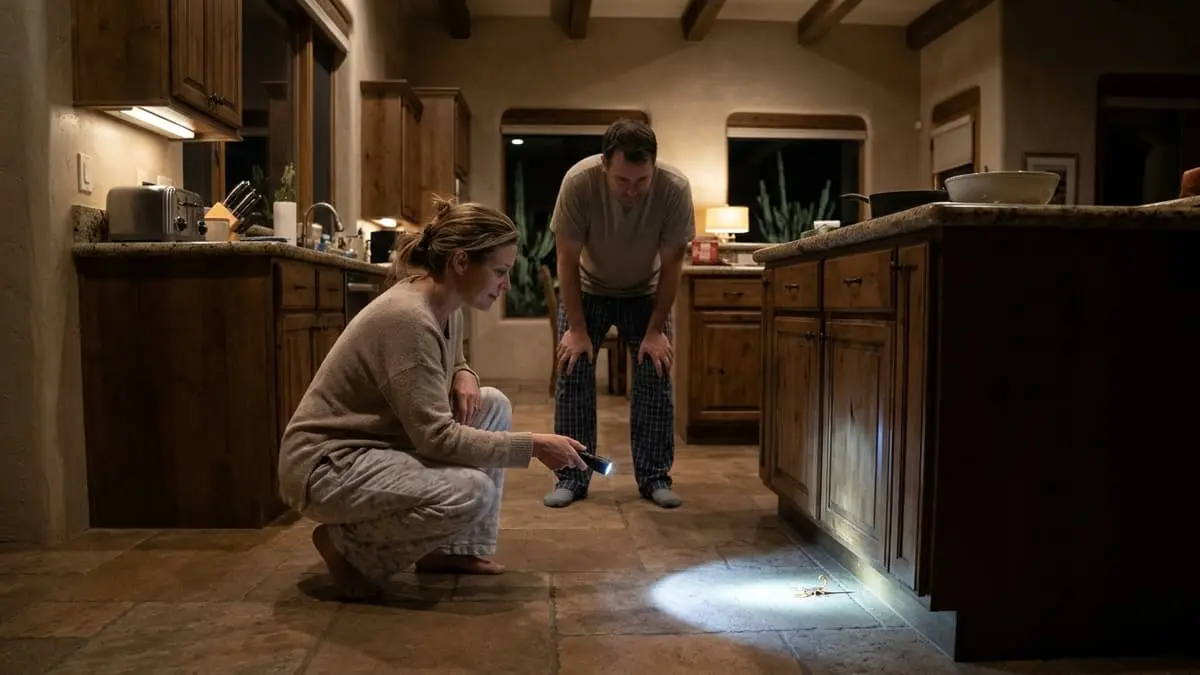
Now there's a bark scorpion by the back door every week or so. It didn't seem like much at first. But after one turns up on the bathroom wall the same week you stopped looking, every barefoot trip down the hall feels like stepping into a shoe you forgot to shake out.
The Usual Triggers When Scorpions Suddenly Show Up
The usual triggers are warmer nights, water, digging nearby, more bugs to eat, new clutter, worn door sweeps and damp laundry. Two can land at once, like the first warm nights arriving the same month the sprinklers got turned up. If it were my house, I'd go down this list and mark every one that fits.
Warmer Nights and Extreme Heat
Warm nights get bark scorpions moving. The University of Arizona says nights above 70°F are ideal for them in the low desert, and they're much less active from November through March. It also lists escaping extreme heat as one of the reasons they move.
Monsoon Rain or Irrigation Flooding Their Hiding Spots
Water that floods their hiding spots pushes them out. The University of Arizona says bark scorpions move when irrigation or monsoon rains flood the places they hide, and homes near dry washes can see a wave of them during summer rains and after irrigation.
Construction or Landscaping Nearby
Digging nearby is one of the clearest triggers. The University of Arizona says construction and landscape work that disturb the soil get scorpions moving, and they're often found in newly developed areas. If there's a teardown or remodel on your street, that's a likely cause.
More Crickets and Roaches to Eat
More bugs can mean more scorpions. A 2024 Extension fact sheet on scorpions from the University of Arizona says a cricket or cockroach problem can make scorpions more common indoors. If the garage has been chirping at night, look into what pulls bark scorpions toward a house.
New Clutter or Firewood Against the House
Anything new stacked against the walls gives them a place to spend the day. The University of Arizona lists potted plants, patio debris, door mats, boards and wood among their daytime hiding spots. It also warns that firewood carried indoors brings them in with it.
Worn Door Sweeps and Window Screens
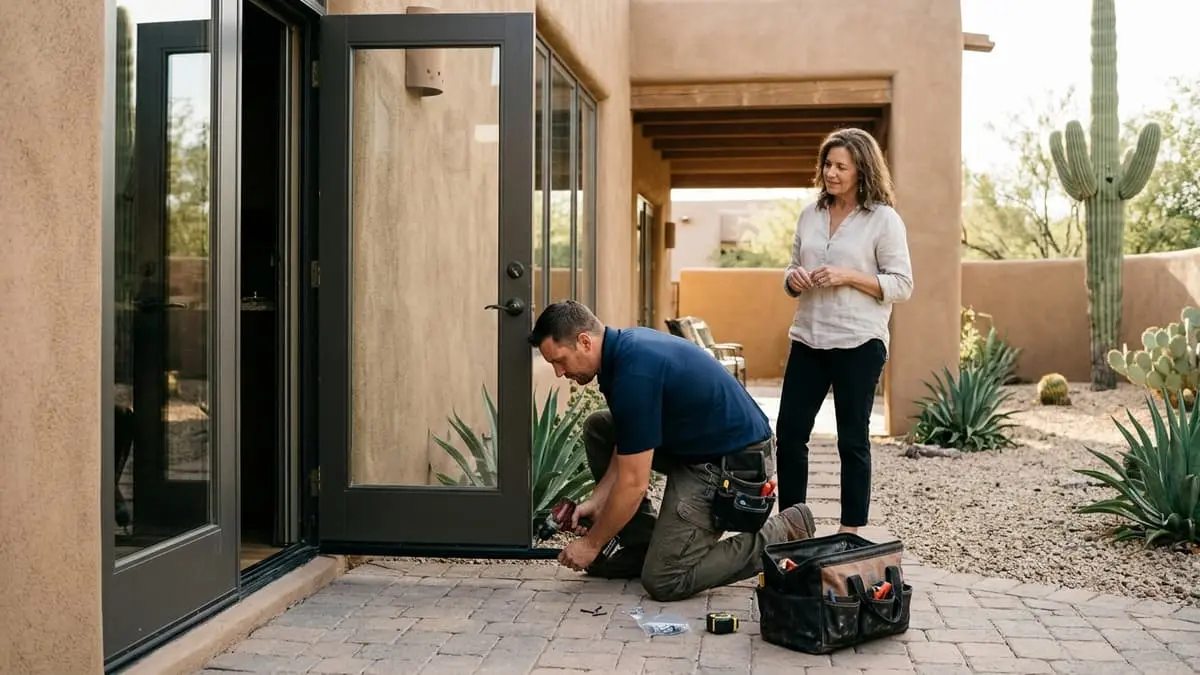
Door sweeps and screens wear out, and the University of Arizona names worn ones as a common way in. Stand inside a closed outside door on a bright day: if daylight shows around it, the door isn't sealed. When that's the problem, the fix is to seal up the house where they're walking in.
Damp Towels and Laundry on the Floor
Wet towels on the floor pull scorpions in. The University of Arizona says damp towels left on the floor strongly attract scorpions looking for moisture. A new baby, a houseful of guests or a teenager's bedroom floor can change your laundry habits fast.
You Just Moved In
If you just moved in, the house may not have changed at all. You're the first one paying attention, and the scorpions may have been there for years.
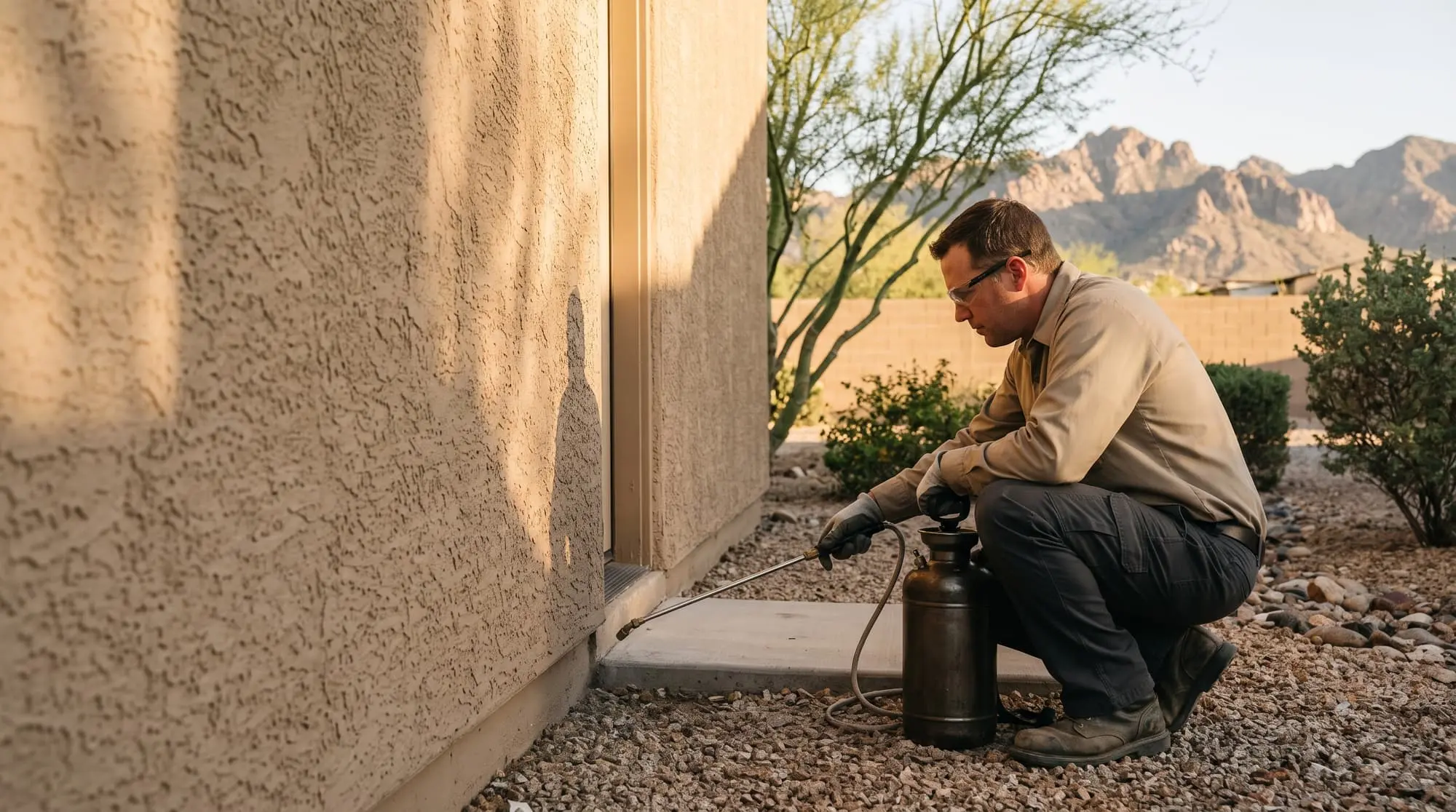
Why One House Gets Scorpions and the Next One Doesn't
One house gets them and the next doesn't mostly because of what's on the lot: water, block walls and nearby washes. The University of Arizona says irrigated landscapes support much higher numbers than open desert, and populations run higher near old or rerouted washes. That's why scorpions are so hit or miss from one house to the next.
Block walls matter too. The University of Arizona cites research where 95% of bark scorpions picked hollow block walls over the other shelters around homes and yards.
So two houses on the same street can have very different nights. One backs onto a wash and has a block wall full of gaps. The other has a stuccoed, capped wall and a dry gravel border.
Paradise Valley Lots and Washes
Paradise Valley has plenty of the features the University of Arizona links to more scorpions. Most of the Town is zoned for lots of at least one acre, and the Town describes an extensive wash system, with hillside rock on Mummy Mountain and the north slopes of Camelback Mountain.
The Town's Resident Guide also makes homeowners responsible for keeping the washes on their property clean and clear, even outside the wall. A wash on your own lot that floods after a monsoon storm can push scorpions toward your house.
What to Check This Week
Start by figuring out which trigger fits your house. Here's what I'd check first:
- Write down where and when you see each one. A pattern, like the same door every time, tells you where to look.
- Do the daylight test on every outside door.
- Pick up towels and clothes from the floors, and move firewood and clutter away from the walls.
- Look for crickets in the garage and around the porch lights.
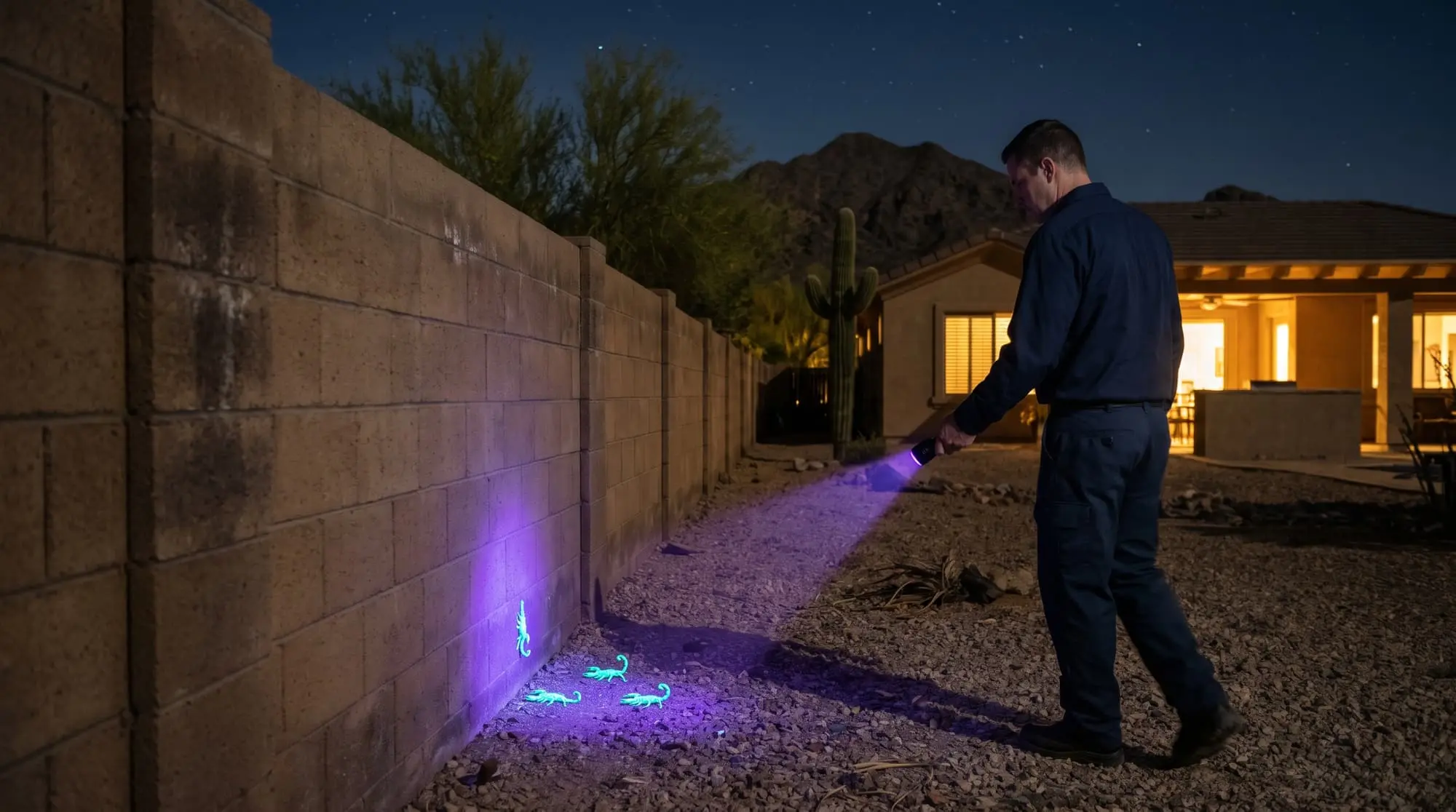
- Walk the outside walls after dark with a UV flashlight. Scorpions glow green, so you'll see where they're gathering.
Already paying for pest control? Then the next question is why am I still finding them with pest control? For the whole plan, these are the four steps that actually lower the numbers, in the University of Arizona's order.
When a Sudden Run of Scorpions Means It's Time to Call
It's time to call when you're finding them inside regularly. The University of Arizona says that if you regularly find scorpions in your home, call a pest management professional who has worked with scorpions. Weekly sightings count.
Questions About Scorpions Showing Up Suddenly
When scorpions start turning up out of nowhere, these cover whether they'll leave by themselves, whether they're in your walls, and what the monsoon has to do with it.
Will the scorpions go away on their own?
They slow down, but they don't leave. The University of Arizona says bark scorpions are much less active from November through March in the low desert, but they cluster in sheltered spots over winter and come back out as the nights warm.
Does seeing scorpions every week mean they're living in my walls?
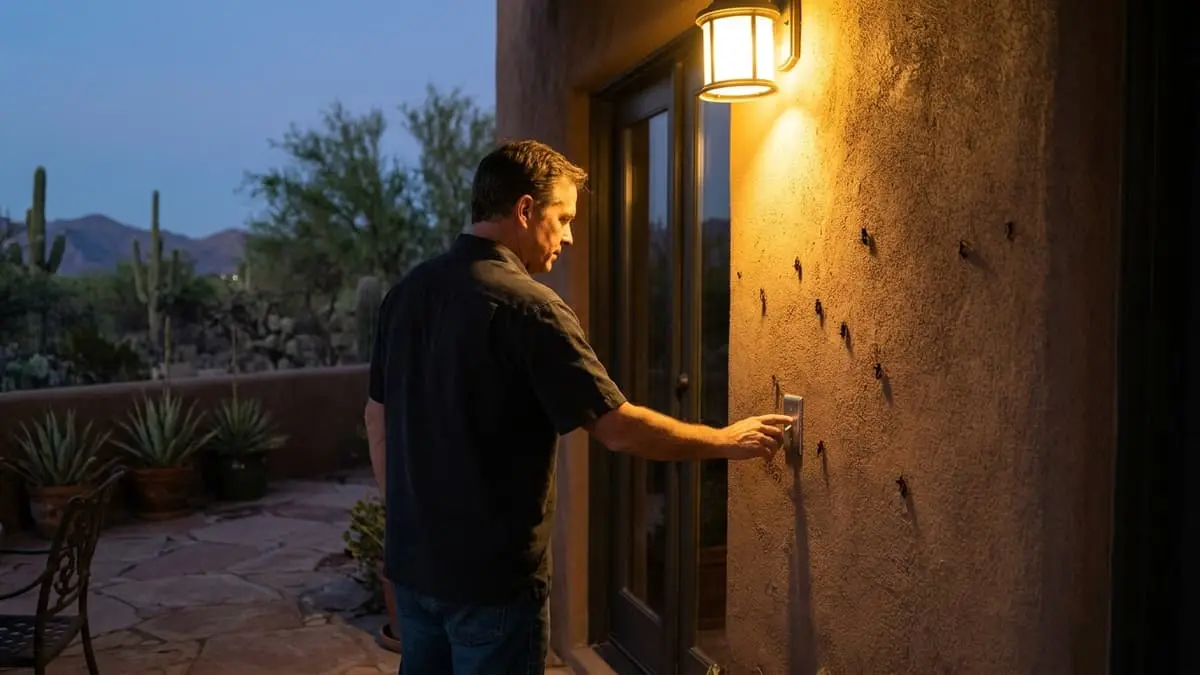
It can. The University of Arizona says once scorpions get into a wall, they can travel through the building and come out around switch plates and pipe openings. A blacklight check inside and out is the quickest way to see where they're coming from.
Could the monsoon be why I'm suddenly seeing more scorpions?
Yes. The University of Arizona lists monsoon rains flooding their hiding spots as one of the things that gets them moving, and homes near dry washes can see more during summer rains.
Call Us for a Blacklight Check in Paradise Valley
Call us and we'll come out after dark with UV lights to find where they're living and how they're getting in. Our techs check the outside walls, block walls, doors and weep screeds, where scorpions glow green from several yards away. Then you'll know which trigger you're dealing with.
You can have our techs blacklight the house after dark, then work with us to keep barks out of your house in 85253 with a plan built around what we find.